By: Keyla Sanchez, MPAS, PA-C | Physician Assistant & Licensed Esthetician
After 40, dryness, sensitivity, uneven tone, and changes in texture may become more noticeable. Perimenopause and menopause can also affect oil production and moisture retention.
The good news is that an effective skincare routine does not need to include many products. Focus on:
- Supporting the skin barrier.
- Using daily sun protection.
- Choosing evidence-based ingredients.
- Introducing treatments gradually.
The goal is to address your concerns without causing unnecessary irritation.
What can change in your skin after 40?
During your forties and beyond, you may notice:
- More dryness or tightness
- Slower cell turnover and dullness
- Gradual changes in collagen and firmness
- More visible sun damage and pigmentation
- Increased sensitivity related to hormonal changes
These changes are normal and do not happen at the same rate for everyone. Your routine may simply need to become more supportive.
1. Support the skin barrier
The skin barrier helps retain moisture and protect against irritants. When it is compromised, you may experience stinging, redness, flaking, or tightness.
Use a mild, non-abrasive, fragrance-free cleanser and lukewarm water. Avoid aggressive scrubbing, cleansing brushes, and rough washcloths.
If your skin feels tight immediately after cleansing, your cleanser may be too harsh, you may be cleansing too often, or the water may be too hot.
2. Moisturize according to your skin’s needs
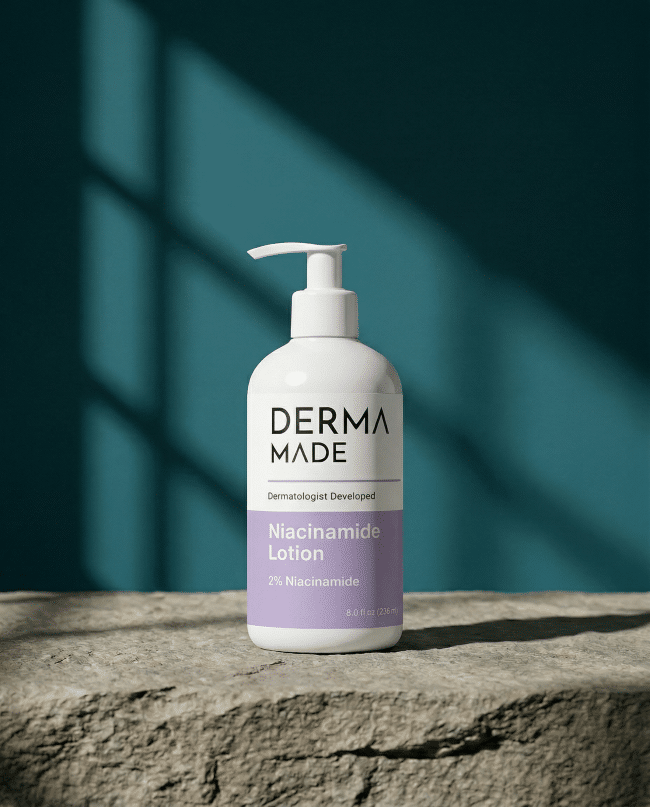
Moisturizers help reduce water loss and improve comfort. Look for formulas containing:
- Humectants, such as glycerin or hyaluronic acid
- Emollients, which smooth rough areas
- Occlusives, which help seal in moisture
A lighter lotion may suit combination or oily skin, while a richer cream may be better for dryness. Applying moisturizer to slightly damp skin may also help.
If your skin is stinging or peeling, simplify your routine before adding another treatment.
3. Make sunscreen a daily habit
Broad-spectrum sunscreen with SPF 30 or higher is one of the most important steps for preventing additional pigmentation, rough texture, and visible sun damage. Apply it to exposed skin, including your face, neck, chest, ears, and hands.
Reapply during outdoor activities, especially after swimming, sweating, or towel drying. Hats, sunglasses, shade, and protective clothing provide additional protection.
The best sunscreen is the one you will use consistently. If a formula feels greasy, pills under makeup, or irritates your eyes, try a different texture.
4. Consider targeted treatments
Vitamin C
Vitamin C is an optional morning treatment that may help improve the appearance of dullness and uneven pigmentation. Start gradually if your skin is sensitive, and follow the product directions.
Stop if persistent irritation develops. Vitamin C complements sunscreen; it does not replace it.
Retinoids
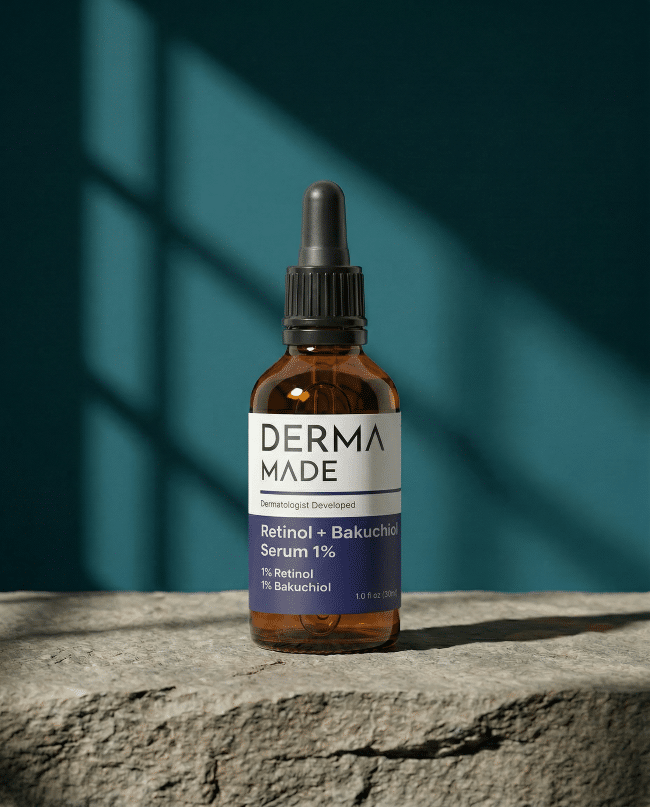
Retinoids, including retinol, may help improve the appearance of fine lines, uneven texture, pigmentation, and clogged pores. Start with a low-strength product one or two nights per week.
For many facial retinoids, a pea-sized amount is enough for the entire face. Apply to dry skin and avoid the corners of the nose, lips, and eyes.
Do not introduce a retinoid at the same time as exfoliating acids, scrubs, or other new active ingredients. Mild dryness may occur, but painful burning, swelling, cracking, or persistent redness are reasons to pause.
Avoid retinoids during pregnancy. If you are trying to conceive, discuss alternatives with your clinician.
Exfoliants
Exfoliation may improve roughness, but it is easy to overuse. Chemical exfoliants include alpha hydroxy acids and beta hydroxy acids; physical exfoliants include scrubs and brushes.
If your skin is dry, sensitive, red, or already using a retinoid, you may not need additional exfoliation. Signs of over-exfoliation include burning, persistent redness, tightness, flaking, and new sensitivity. If these occur, stop exfoliating and return to gentle cleansing, moisturizer, and sunscreen.
Treat pigmentation with patience
Dark spots may result from sun exposure, hormonal changes, inflammation, acne, or medications. Consistent sun protection is the first step because untreated sun exposure can worsen discoloration.
Depending on your skin and medical history, a clinician may recommend vitamin C, retinoids, azelaic acid, or other treatments. Avoid layering several brightening products at once, since irritation can worsen pigmentation.
A new, changing, bleeding, or crusting spot should be evaluated clinically rather than treated as a cosmetic concern.
A simple routine after 40
Morning
- Gentle cleanser, or rinse with water if cleansing is unnecessary
- Optional vitamin C or another targeted treatment
- Moisturizer as needed
- Broad-spectrum SPF 30 or higher
Evening
- Gentle cleanser
- Retinoid on selected nights, if appropriate
- Moisturizer
If you are starting from scratch, begin with cleanser, moisturizer, and sunscreen. Add only one treatment at a time.
Common mistakes
- Using too many active ingredients: Combining retinoids, acids, scrubs, and multiple serums can increase irritation.
- Treating dryness with exfoliation: Dry, flaky skin usually needs barrier support, not more exfoliation.
- Applying sunscreen only on sunny days: Everyday activities can still involve ultraviolet exposure.
- Expecting immediate results: Hydration may improve quickly, but pigmentation, texture, and fine lines take longer.
- Ignoring irritation: Burning and persistent redness may indicate that a product is too strong or being used too often.
Frequently asked questions
What is the best skincare routine after 40?
Start with gentle cleansing, moisturizer, and daily broad-spectrum sunscreen. Add one targeted treatment based on your concerns and skin tolerance.
Should I use retinol in my forties?
Retinol may help with fine lines, uneven texture, pigmentation, and clogged pores. Start slowly and ask a clinician whether it is appropriate if you have sensitive skin, rosacea, eczema, or are pregnant or trying to conceive.
How often should I exfoliate?
There is no universal schedule. Some people benefit from occasional exfoliation, while others do not need it. Avoid exfoliating if your skin is irritated or already adjusting to a retinoid.
Is vitamin C necessary?
No. Vitamin C is optional. A routine with gentle cleansing, moisturizer, sunscreen, and one suitable treatment can still be effective without it.
How long does it take to see results?
Hydration and comfort may improve within days or weeks. Pigmentation, texture, and fine lines generally require more time and consistent use.
When to seek professional guidance
Consider a clinical evaluation for persistent redness, burning, itching, worsening acne, a rash that does not improve, significant peeling, changing pigmentation, or a new or changing skin spot. A professional can help distinguish between a cosmetic concern and a condition requiring medical treatment.
Keep your routine simple and consistent
A good skincare routine after 40 is not about using every popular ingredient. Start with gentle cleansing, moisturizer, and daily sunscreen.
Add one targeted treatment at a time, and simplify if irritation develops. The most effective routine is one that fits your skin, budget, schedule, and ability to use it consistently.
Personalized skincare guidance in McKinney, TX
If you would like help understanding your skin’s needs or choosing products, book a skincare consultation with me in McKinney. For more guidance on ingredients and routine-building after 40, explore my digital guide, Your Skin After 40: A PA’s Guide to What Actually Works, available as a digital download for $29.
If perimenopause or menopause is part of what your skin is going through right now, I wrote a deeper guide just for this stage: Your Skin in Menopause, an evidence-based guide to what estrogen loss does to collagen, moisture, and sensitivity, and how to adjust your routine step by step.
This article provides general education. Individual treatment recommendations depend on your skin, medical history, medications, and goals.
Clinical references
- American Academy of Dermatology: Skin care in your 40s and 50s
- American Academy of Dermatology: Caring for your skin in menopause
- American Academy of Dermatology: Retinoid or retinol?
- American Academy of Dermatology: Dermatologist-approved pregnancy skin care
- American Academy of Dermatology: How to prevent skin cancer
- Harvard Health Publishing: Why is topical vitamin C important for skin health?
Reviewed October 14, 2026.